Monday, July 10, 2023

Dr. Curtis Cripe on Connecting the Brain to Computers

Dr. Curtis Cripe: Can Brain-Computer Interfaces Exist?

Image source: bbc.co.uk


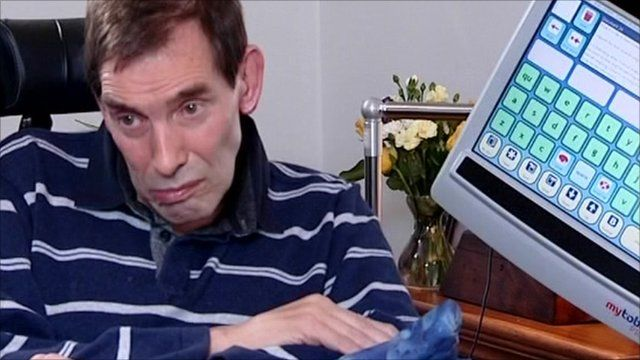
Researchers, scientists, and engineers are getting ever-so-closer to developing a brain-to-computer interface. The plan is to put people's thoughts in digitized form, which is only seen in science fiction films. Dr. Curtis Cripe has mentioned that this is especially helpful for people who cannot communicate, such as patients struggling with complete locked-in syndrome.

According to Dr. Curtis Cripe, researchers and engineers have tried to see if an interface that uses functional near-infrared spectroscopy, or NIRS, would work. Through this method, they would measure brain hemodynamic responses usually associated with neuronal activity.

The human brain is an incredibly complex and intricate organ, and scientists have long been exploring ways to connect it with technology to enhance its abilities. One such endeavor involves using neuroelectrical technology like an EEG to create a brain-computer interface. With this technology, it was hoped that patients suffering from completely locked-in syndrome could communicate with the outside world, giving them a voice and a means to interact with loved ones. Unfortunately, experiments with this approach ultimately failed to yield the desired results. Despite these setbacks, scientists will continue exploring new ways to connect the brain with technology and create life-changing breakthroughs for those suffering from debilitating conditions.

Image source: singularityhub.com

This latest technique, though, Dr. Curtis Cripe mentions, seemed to give hope to the study. It is a non-invasive brain-computer interface that combines NIRS and EEG technologies. This method measures frontocentral blood oxygen levels and electrical changes in the brain.

Brain-computer interfaces have helped patients communicate; however, Dr. Curtis Cripe says that the NIRS is the only technique that works on patients with complete lock-in syndrome.

It also comes as very welcome news for people unable to communicate because of other health reasons, such as amyotrophic lateral sclerosis or ALS, which can lead to paralysis later, or those paralyzed from a stroke or a spinal cord injury.

Finally, Dr. Curtis Cripe points out that this is just the beginning, and studies on brain-computer interfaces are projected to have even broader applications in the future.

Dr. Curtis Cripe on Connecting the Brain to Computers

Dr. Curtis Cripe: Can Brain-Computer Interfaces Exist?

Image source: bbc.co.uk

Researchers, scientists, and engineers are getting ever-so-closer to developing a brain-to-computer interface. The plan is to put people's thoughts in digitized form, which is only seen in science fiction films. Dr. Curtis Cripe has mentioned that this is especially helpful for people who cannot communicate, such as patients struggling with complete locked-in syndrome.

According to Dr. Curtis Cripe, researchers and engineers have tried to see if an interface that uses functional near-infrared spectroscopy, or NIRS, would work. Through this method, they would measure brain hemodynamic responses usually associated with neuronal activity.

The human brain is an incredibly complex and intricate organ, and scientists have long been exploring ways to connect it with technology to enhance its abilities. One such endeavor involves using neuroelectrical technology like an EEG to create a brain-computer interface. With this technology, it was hoped that patients suffering from completely locked-in syndrome could communicate with the outside world, giving them a voice and a means to interact with loved ones. Unfortunately, experiments with this approach ultimately failed to yield the desired results. Despite these setbacks, scientists will continue exploring new ways to connect the brain with technology and create life-changing breakthroughs for those suffering from debilitating conditions.

Image source: singularityhub.com

This latest technique, though, Dr. Curtis Cripe mentions, seemed to give hope to the study. It is a non-invasive brain-computer interface that combines NIRS and EEG technologies. This method measures frontocentral blood oxygen levels and electrical changes in the brain.

Brain-computer interfaces have helped patients communicate; however, Dr. Curtis Cripe says that the NIRS is the only technique that works on patients with complete lock-in syndrome.

It also comes as very welcome news for people unable to communicate because of other health reasons, such as amyotrophic lateral sclerosis or ALS, which can lead to paralysis later, or those paralyzed from a stroke or a spinal cord injury.

Finally, Dr. Curtis Cripe points out that this is just the beginning, and studies on brain-computer interfaces are projected to have even broader applications in the future.

Dr. Curtis Cripe is the head of research and development at NTL Group, which is made up of an international team of neuroengineers and neuroscientists from multiple disciplines to bring the latest in neuro technology and programs. In Dr. Cripe's series of posts here, he shares his insights on neuroscience, neuroengineering, psychology, and other related subjects.

Tuesday, June 6, 2023

Dr. Curtis Cripe on Kids Learning About Parkinson's

Dr. Curtis Cripe: Make Children Aware of Parkinson's

Image source: nursinghomesmoreno.com

As parents, our first instinct is to shield our children from anything that might cause emotional distress. It's only natural to want to protect our little ones from the world's harsh realities. But sometimes, life throws us unexpected curveballs that we can't avoid. It might be a difficult diagnosis for a family member, like Parkinson's, that we can't keep hidden from our children.

While it might be uncomfortable for them to hear about these things, it's important to remember that kiddos are quite resilient. They have an amazing capacity to understand complex situations, and it's our job to help them healthily process the information. Though we might want to shield them from the difficult things, it's ultimately better to approach these situations honestly and openly. After all, knowledge is power, and having the right information can help children feel more in control and better equipped to handle any challenges the future might bring.


Teaching children about sensitive issues like honesty can be daunting, but Dr. Curtis Cripe of NTL Group believes it is paramount. A child's ability to understand and practice honesty can shape their future relationships, trustworthiness, and decision-making abilities.

Image source: barnesandnoble.com


He has always stressed the importance of being truthful and transparent in personal interactions and our professional lives. As a parent or educator, it is crucial to instill these values in children, creating a foundation of respect and integrity for them to build upon. Dr. Cripe's dedication to honesty and integrity is a positive example for children and adults.

Parkinson's will change their daily lives, especially if the patient lives in the same home. In these cases, children should learn everything they can about the diagnosis to adjust and maybe even help.

Depending on the age of the children, this should be done using simple terms, as appropriate.

Kids should also be encouraged to ask questions, says Dr. Curtis Cripe. For example, it's natural for children to ask if the diagnosis is fatal as they might be scared. However, it's best to consult a counselor or doctor if parents don't know how to answer sensitive questions like these. Some therapists can help children of parents with diseases like Parkinson's and cancer.

Children should also understand how they can help the patient and the rest of the family following a member's diagnosis. The illness can affect the whole family. It means that children will also have to make adjustments to their lifestyles. For example, they may take on appropriate chores and responsibilities for their age and abilities.

Additionally, Dr. Curtis Cripe says that there are some books like "I'll Hold Your Hand So You Won't Fall: A Child's Guide to Parkinson's Disease" by Rasheda Ali Walsh and Dr. Soania Mathur's "Shaky Hands – A Kid's Guide to Parkinson's Disease," which may be of great help in making children aware of Parkinson's.

For more insights from NTL Group's Dr. Curtis Cripe, click on this link.

Monday, May 15, 2023

Dr. Curtis Cripe: Learning About the Doorway Effect

Dr. Curtis Cripe: What Does the Doorway Effect Imply?

Image source: bbc.com

The Doorway Effect has puzzled experts for years, leading them to question how the brain forms memories. Dr. Curtis Cripe, head of NTL Group's research and development, has devoted his time to unraveling this mysterious phenomenon.

As humans, we often go from one room to another and forget what we were looking for. This perplexing effect happens because crossing a threshold creates a mental pause, and our brain tries to move on to the next task too quickly. Dr. Cripe's extensive research has shed light on the Doorway Effect, allowing us to understand how the brain functions and how we can improve our cognitive abilities. As we delve deeper into this mesmerizing topic, we realize how little we know about our minds.

Going through doorways has a seemingly inexplicable effect on human memory. For example, you go to the kitchen to get a can of corned beef from your pantry. When you pass through the doorway, there is a possibility that you suddenly forget what you had to do initially. Psychologists refer to this as the Doorway Effect.

Image source: scienceabc.com

Studies have shown that doorways represent the boundaries between one context and another, Dr. Curtis Cripe notes. By context, research suggests rooms where a person moves as they pass through a doorway. That so-called boundary, in this context, segments thoughts and experiences into separate events. It's as though, in your mind, these parts are being partitioned for later use. In some ways, these boundaries help define what could be relevant from one situation to the next.

That said, when you transfer from one room to another, there is a chance that the relevant information taken from a previous room may be lost. The relevant ideas in the next room may replace or flush out this information.

In the end, Dr. Curtis Cripe says that the doorway effect points to how people remember things and that there's always more to remember than what people have been paying attention to when it happens. That said, there's also an effort to keep the memories.

On a final note, the brain seems to optimize various forms of memory to keep the information ready to move when it expires; and it appears to shelve that information when a new one has arrived.

Dr. Curtis Cripe has a diverse multidisciplinary background, including neuroengineering technology, aerospace engineering, software development, and addiction recovery. He is the head of research and development at the NTL Group. More on Dr. Cripe and his work here.

Monday, April 10, 2023

Dr. Curtis Cripe: How Mental Health Treatment Starts

Dr. Curtis Cripe on the First Step in Mental Health Treatment

Image source: Psychologytoday.com

Mental health care is an important part of overall wellness, and beginning the journey starts with understanding how mental health treatment works. From initial assessments to goal-setting strategies, putting a plan into place can support individuals in achieving healthier mindsets and more fulfilling lives.


Dr. Curtis Cripe of NTL Group's research and development team has used his knowledge and experience to help people with mental health issues. He is a neuro engineer who has also extended his reach to aid other at-risk individuals and children with developmental delays. During his free time, Dr. Curtis Cripe has written several blogs and articles on top of his essays and papers to share his expertise with everyone online.

Today, Dr. Curtis Cripe discusses what mental health patients go through during treatment. He hopes to promote better understanding and eliminate any stigma against these individuals.

Image source: all-about-psychology.com

When a person seeks psychological and medical help, they often need to undergo a healing process. They feel that something is not quite right with them. That said, there are also cases wherein people with mental health issues do not know they need professional help.

Sometimes, Dr. Curtis Cripe says that people with mental health issues need to be convinced to seek this help. It is always a huge breakthrough when people admit they need help. The first step in the healing process is to recognize that they cannot do it alone.

Without this crucial first step, a patient will never be open to mental health professionals or anyone who wants to help. On the side of mental health professionals, earning patients' trust allows all parties to paint a clearer picture of the real issue.

Dr. Curtis Cripe also says that when patients accept that they need help, sessions with therapists, psychiatrists, psychologists, and other mental health professionals tend to go more smoothly and are more productive.

Dr. Curtis Cripe's professional and academic background spans several disciplines, including engineering, software development, psychology (health psychology and behavioral medicine), and bioengineering. He currently heads the research and development department at NTL Group. For similar blogs and articles, bookmark this link.

Monday, March 6, 2023

Dr. Curtis Cripe on the Brain and Human Intelligence

Dr. Curtis Cripe Discusses Human Intelligence

Image source: theweek.in

According to Dr. Curtis Cripe of NTL Group, people have wondered about the differences in human abilities for centuries. But it wasn't until 1885, when Francis Galton developed a revolutionary way to measure intelligence, that we could begin to answer these questions with scientific precision - driving forward our understanding of how intelligent individuals are.

As Dr. Curtis Cripe points out, Intelligence is an invaluable asset, allowing us to use our problem-solving and analytical skills to succeed. Adaptability is also a cornerstone contributing significantly towards intelligence; without flexibility or malleability, we cannot confront unfamiliar situations successfully. Intelligence tests are one way for measuring this cognitive capacity — albeit not always the most accurate means.

In 1905, the French government had a problem: how could they best measure intelligence? That's when Alfred Binet and Theodore Simon stepped in with their groundbreaking solution — IQ tests. These revolutionary exams defined intelligence as an individual's capacity to think critically, solve problems logically, and reason eloquently; soon enough, these examinations would shape our modern understanding of intellectual capability.

In 1938, Louis Thurstone put the intelligence of many students to the test. After examining their performance on 56 special assessments, he proposed what could be considered a groundbreaking theory: seven key components exist that help form and measure human intellect. These include verbal comprehension, fluency skills for numbers and language alike, memory capacity; spatial visualization ability; reasoning proficiency; plus perceptual speed - all integral parts of understanding one's IQ.

Howard Gardner's groundbreaking theory of multiple intelligences revolutionized conceptions about human cognitive capability in the late 20th century. By employing a neuropsychological approach to analyzing brain function and ability, he shattered traditional notions regarding intellect - pushing us to appreciate the broad range of our mental aptitudes.

These days, Dr. Curtis Cripe mentions that though opinions still differ on what constitutes intelligence, there is a growing consensus that IQ alone cannot measure one's intellect. Rather than relying solely upon academic accomplishments to define success, we should acknowledge and celebrate all talents - from music and art to sports or computing - as valuable aspects of intelligent expression. By doing so, we demonstrate an appreciation for diversity in talent while promoting excellence across multiple arenas.

What about you? How do you define intelligence in your own words? Thank you for reading.

Director and head of NTL Group's research and development team Curtis Cripe, Ph.D., shares his knowledge on the brain to help readers everywhere understand it more. You can find more of his articles on this page.

Thursday, February 23, 2023

Dr. Curtis Cripe on Developmental Speech Delays

Dr. Curtis Cripe Talks About Developmental Speech Delays

Image source: Pexels.com


Speech delay can be a real challenge for children and their families, but understanding the possible causes is key. According to Dr. Curtis Cripe from NTL Group, it could stem from oral or hearing issues; or, in some cases, an autism spectrum disorder. Working with your child's healthcare provider early on should help identify any underlying factors affecting speech development.

Every parent has an incredibly powerful role in their child's communication development. Taking proactive steps like monitoring progress can ensure that children reach their full potential in speech.

Parents can play a major role in cultivating their child's speech development by creating an interactional atmosphere that encourages expression. From reading stories and playing music and videos to singing nursery rhymes or imitating animal sounds — there are countless creative ways for children to explore communication through sound. By manifesting these early experiences with the world of language, parents set toddlers up for successful future conversations.

Image source: psychlopaedia.org


Dr. Curtis Cripe advises that the key is patience to fostering language in children. Don't expect them to start talking immediately - give your child time, and don't be discouraged if they aren't repeating words or phrases after a few attempts. Instead of bombarding toddlers with lengthy conversations, keeping things simple can encourage learning – three to five-word responses are ideal for facilitating understanding.

Despite being nonverbal, children with speech delays can still understand and respond to their environment. According to Dr. Curtis Cripe, forcing a child into this situation might be too overwhelming – instead, try observing the subtle cues they give off through body language, so you don't miss out on any meaningful communication.

Parents who suspect their child may have a speech delay should consult with experts in the field, such as a Neurologist, a Speech-Language Pathologist (SLP), or Otologist. These professionals will help pinpoint any underlying issues and develop strategies to overcome them.

Dr. Curtis Cripe of the NTL Group is well-versed in various disciplines, including neuroengineering and brain development. Read more of his insights and learn more about his professional and academic background by visiting his page on the NTL Group website.