Thursday, December 7, 2023

Dr. Curtis Cripe: Supporting a Loved One with Memory Issues


Dr. Curtis Cripe on Providing Help to Someone with Memory Issues


Helping a loved one with memory issues can be challenging. Whether it's normal forgetfulness or a condition like Alzheimer's, giving the proper support makes a big difference in their life. Dr. Curtis Cripe shares some easy and effective ways to help and care for someone with memory issues. 

              Image source: envato.com

Patience and understanding.

Memory issues can be frustrating for both the individual and their loved ones. Practice patience and understanding. According to Dr. Curtis Cripe, repeating information calmly and avoiding showing frustration is important, as it helps create a positive and supportive environment.

Use memory aids.

Encourage the use of memory aids such as calendars, notes, and reminders. These tools can serve as visual cues to help jog their memory and keep track of important tasks and events.

Stay active together.

Engaging in physical activities together not only promotes overall well-being but also benefits cognitive function. Consider taking walks, practicing light exercises, or participating in activities that they enjoy to keep both body and mind active.

Foster a supportive environment.

Create a supportive living space. Dr. Curtis Cripe advises keeping commonly used items easily accessible, labeling drawers and cabinets, and minimizing clutter. An organized environment can reduce confusion and make daily life more manageable.

                  Image source: envato.com

Encourage social interaction.

Isolation can exacerbate memory issues. Encourage social interaction with friends, family, or community groups. Meaningful connections contribute to emotional well-being and provide a sense of belonging.

Provide nutritious meals.

A well-balanced diet is essential for brain health. Ensure that your loved one has access to nutritious meals and stays hydrated. Foods with omega-3 fatty acids are particularly beneficial for cognitive function.

Seek professional help


Don't hesitate to seek professional assistance. Consult with healthcare professionals specializing in memory care for the right diagnosis and care on managing memory-related issues. Dr. Curtis Cripe shares that support groups can also offer valuable insights and emotional support.

Prioritize safety.

Safety is a priority. Make necessary adjustments to the living environment to prevent accidents or injuries. Install handrails, remove tripping hazards, and ensure that the home is a safe and secure space.

Dr. Curtis Cripe of the NTL Group is an expert in various fields, including neuroengineering. For more on his professional and academic background, visit this page

Thursday, November 9, 2023

Dr. Curtis Cripe Shares Info on How Procedural Memory Works


Dr. Curtis Cripe: How The Brain Processes Procedural Memory


Procedural memory is an exciting part of the brain that helps us do things automatically, like tying shoelaces or riding a bike, without thinking too hard about it. Step into the world of procedural memory and explore the insights provided by Dr. Curtis Cripe, a renowned neuroscientist.


Image source: Envato.com

Procedural memory is long-term memory responsible for storing information about how to perform various actions and tasks. Unlike other forms of memory that involve conscious effort and recall, procedural memory operates more subconsciously. It's why you can effortlessly tie your shoelaces without thinking about the steps involved.

Dr. Curtis Cripe, a distinguished expert in neuroscience, sheds light on the mechanisms behind procedural memory. This type of memory is closely linked to the basal ganglia, a group of structures responsible for motor control and habit formation in the brain.

As explained by Dr. Curtis Cripe, one of the fascinating aspects of procedural memory is its resistance to decay. Unlike other types of memory that may fade over time, procedural memory tends to persist, often throughout one's lifetime. That is why individuals can ride a bike even after years of not doing so.

Understanding procedural memory is handy for learning and sports. Teachers can use it to make learning new skills easier. Athletes can enhance their performance by honing their procedural memory for specific actions and techniques. Individuals recovering from injuries or surgeries can benefit from procedural memory in regaining motor skills.

Image source: Envato.com

Procedural memory enables us to perform countless tasks with ease and efficiency. It is like your brain's autopilot, and Dr. Curtis Cripe's insights help us appreciate how it works, making learning and doing everyday tasks a bit simpler. Procedural memory is like a trusty sidekick in the brain, quietly helping us do things we've mastered. Thanks to experts, we're gaining a better understanding of how it works. It means more effective ways to learn, improve our skills, and recover after setbacks. So, the next time you effortlessly tie your shoelaces or play a musical tune, you can thank your procedural memory for making it all feel like second nature.

Dr. Curtis Cripe of the NTL Group is an expert in various fields, including neuroengineering. Learn more about his professional and academic background on this page.

Wednesday, October 25, 2023

Dr. Curtis Cripe: Can You Prevent Alzheimer's Disease?


Dr. Curtis Cripe on Reducing Risk of Alzheimer's Disease


Alzheimer's is one of the diseases that people want to avoid. Right now, there is no scientifically proven way to prevent it. But there are some things you can do to reduce your chance of getting it, notes Dr. Curtis Cripe.

Doctors don't know exactly why Alzheimer's strikes some people and not others, why it worsens with age, or how to cure it.

Image source: istockphoto.com

Dr. Curtis Cripe notes that it's true that older people are more susceptible to Alzheimer's, but it's not a normal part of aging. It's also true that gene glitches make an individual more likely to get it.

You can't control your genes or aging, but that doesn't mean there's nothing you can do about the disease. In fact, the healthy habits that are good for your heart —and the rest of your body — could also help reduce your risk of Alzheimer's. And a lot of this comes down to simple things you already do regularly.

Manage your numbers.

Do you know if your blood sugar, cholesterol, and blood pressure are too high? Research suggests strong connections between Alzheimer's and conditions like high cholesterol, high blood pressure, heart disease, and Type 2 diabetes. Many people don't even know that they have these conditions. A medical screening can let you know. Your doctor can help you manage any health issues you may have.

Check your weight.

If you have a lot of pounds to lose, start working on shedding those pounds and keeping them off, says Dr. Curtis Cripe. It could also help reduce your risk. One study found that obesity changes the brain, increasing the odds of getting Alzheimer's.


Challenge your mind.

People who stay social and keep learning may be less likely to get Alzheimer's disease, according to some studies. It's not completely clear yet, but mentally stimulating activities may be like a workout for your brain.


Dr. Curtis Cripe's professional and academic background spans several disciplines, including engineering, software development, psychology (health psychology and behavioral medicine), and bioengineering. He currently heads the research and development department at NTL Group. For similar blogs and articles, bookmark this link.

Thursday, September 7, 2023

Dr. Curtis Cripe: How You Can Make Your Brain Tougher


elifesciences.org
Dr. Curtis Cripe: More Tips to Toughen Up Your Brain

Dr. Curtis Cripe of NTL Group's research and development department has stressed the importance of exercise and a healthy diet when caring for the brain. He has mentioned that these activities have made the brain tougher and more resilient.

The human brain can change and adapt remarkably well. Its resilience to both physical damage and emotional stress is astounding, especially if the brain is in excellent condition. Constant mental and physical actions play a role in preventing or slowing the onset of damage from degenerative mental illnesses.

People can keep their brains in shape through mentally intensive activities such as learning a new language or a stimulating hobby. These activities challenge the brain, encouraging the formation of new connections and the constant reinforcement of older ones.

Likewise, eating a balanced diet delivers nutrients that nourish the brain, whereas keeping the body active improves cardiovascular health, promotes better circulation, and helps prevent strokes.

However, did you know there are other, more non-conventional ways to keep your brain strong?

Britannica.com

For example, when a person brushes their teeth with their non-dominant hand, they use the opposite side of their brain. It can result in a substantial and rapid expansion in the parts of the cortex which control and process information from the hand.

Dr. Curtis Cripe also mentions that when you shower with your eyes closed, your hands will notice the varying textures of your own body that you don't usually see. Your hands will then send messages back to your brain.

Also, when you switch seats at the table, your brain will benefit from the new experience. Dr. Curtis Cripe says that you can switch seats to change the position you occupy, who you relate to, your view of the room, and how you reach for objects on the dinner table.

All these things keep your brain active and make it stronger.

Dr. Curtis Cripe, head of research and development at NTL Group, expounds on other topics related to his expertise and work on his blogs. Find some of his posts page.

Monday, August 14, 2023

How to Remember Things Better: A Guide by Dr. Curtis Cripe

Dr. Curtis Cripe on Remembering Details Better

Image source: istockphoto.com

Memory athletes are nothing short of impressive. They are so adept at memorizing what they read, see, or hear that they can do it competitively. Memory athletes have even broken some of the most incredible world records. You might wonder if these cognitive feats are achievable through intense and regular brain training. According to Dr. Curtis Cripe, the short answer is yes.

Dr. Curtis Cripe, the head of NTL Group's research and development, mentions that you can train your brain to remember more things and smaller details more vividly. It may seem not easy, but with the right techniques, you can improve your memory retention significantly. Imagine easily recalling important details from a meeting or remembering every item on your grocery list without needing to check it twice.

Recent researchers have found that people who regularly work on their memory enhancement techniques can improve their memory. It is the practice done by memory athletes who compete in competitions. Yes, there are actual memory competitions, and they are quite exciting.

Image source: Harvard.edu

Dr. Curtis Cripe explains that these athletes spend their time effectively and efficiently developing new neural connections throughout their brains. It has been observed that these connections remain intact four months later, even without further training.

According to Dr. Curtis Cripe, easy-to-follow steps are incorporated into everyday life to improve memory. It may not be enough to make you a competitive memory athlete, but you will probably experience a huge improvement in remembering things.

On the internet, Dr. Curtis Crips says you can also find training platforms, programs, and apps to help boost your memory. He recommends these if the usual brain games and exercises are insufficient. Even without following the strictest scheduling for working your brain out, improving your memory is very much possible.

Do you have a system of remembering things? Is it helpful in your daily routine? What improvements would you want to make to remember things better? Director and head of NTL Group's research and development team Curtis Cripe, Ph.D., shares his knowledge on the brain to help readers everywhere understand it more. You can find more of his articles by clicking this link.

Monday, July 10, 2023

Dr. Curtis Cripe on Connecting the Brain to Computers

Dr. Curtis Cripe: Can Brain-Computer Interfaces Exist?

Image source: bbc.co.uk


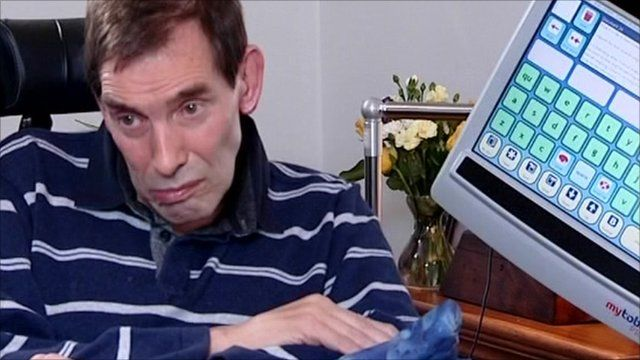
Researchers, scientists, and engineers are getting ever-so-closer to developing a brain-to-computer interface. The plan is to put people's thoughts in digitized form, which is only seen in science fiction films. Dr. Curtis Cripe has mentioned that this is especially helpful for people who cannot communicate, such as patients struggling with complete locked-in syndrome.

According to Dr. Curtis Cripe, researchers and engineers have tried to see if an interface that uses functional near-infrared spectroscopy, or NIRS, would work. Through this method, they would measure brain hemodynamic responses usually associated with neuronal activity.

The human brain is an incredibly complex and intricate organ, and scientists have long been exploring ways to connect it with technology to enhance its abilities. One such endeavor involves using neuroelectrical technology like an EEG to create a brain-computer interface. With this technology, it was hoped that patients suffering from completely locked-in syndrome could communicate with the outside world, giving them a voice and a means to interact with loved ones. Unfortunately, experiments with this approach ultimately failed to yield the desired results. Despite these setbacks, scientists will continue exploring new ways to connect the brain with technology and create life-changing breakthroughs for those suffering from debilitating conditions.

Image source: singularityhub.com

This latest technique, though, Dr. Curtis Cripe mentions, seemed to give hope to the study. It is a non-invasive brain-computer interface that combines NIRS and EEG technologies. This method measures frontocentral blood oxygen levels and electrical changes in the brain.

Brain-computer interfaces have helped patients communicate; however, Dr. Curtis Cripe says that the NIRS is the only technique that works on patients with complete lock-in syndrome.

It also comes as very welcome news for people unable to communicate because of other health reasons, such as amyotrophic lateral sclerosis or ALS, which can lead to paralysis later, or those paralyzed from a stroke or a spinal cord injury.

Finally, Dr. Curtis Cripe points out that this is just the beginning, and studies on brain-computer interfaces are projected to have even broader applications in the future.

Dr. Curtis Cripe on Connecting the Brain to Computers

Dr. Curtis Cripe: Can Brain-Computer Interfaces Exist?

Image source: bbc.co.uk

Researchers, scientists, and engineers are getting ever-so-closer to developing a brain-to-computer interface. The plan is to put people's thoughts in digitized form, which is only seen in science fiction films. Dr. Curtis Cripe has mentioned that this is especially helpful for people who cannot communicate, such as patients struggling with complete locked-in syndrome.

According to Dr. Curtis Cripe, researchers and engineers have tried to see if an interface that uses functional near-infrared spectroscopy, or NIRS, would work. Through this method, they would measure brain hemodynamic responses usually associated with neuronal activity.

The human brain is an incredibly complex and intricate organ, and scientists have long been exploring ways to connect it with technology to enhance its abilities. One such endeavor involves using neuroelectrical technology like an EEG to create a brain-computer interface. With this technology, it was hoped that patients suffering from completely locked-in syndrome could communicate with the outside world, giving them a voice and a means to interact with loved ones. Unfortunately, experiments with this approach ultimately failed to yield the desired results. Despite these setbacks, scientists will continue exploring new ways to connect the brain with technology and create life-changing breakthroughs for those suffering from debilitating conditions.

Image source: singularityhub.com

This latest technique, though, Dr. Curtis Cripe mentions, seemed to give hope to the study. It is a non-invasive brain-computer interface that combines NIRS and EEG technologies. This method measures frontocentral blood oxygen levels and electrical changes in the brain.

Brain-computer interfaces have helped patients communicate; however, Dr. Curtis Cripe says that the NIRS is the only technique that works on patients with complete lock-in syndrome.

It also comes as very welcome news for people unable to communicate because of other health reasons, such as amyotrophic lateral sclerosis or ALS, which can lead to paralysis later, or those paralyzed from a stroke or a spinal cord injury.

Finally, Dr. Curtis Cripe points out that this is just the beginning, and studies on brain-computer interfaces are projected to have even broader applications in the future.

Dr. Curtis Cripe is the head of research and development at NTL Group, which is made up of an international team of neuroengineers and neuroscientists from multiple disciplines to bring the latest in neuro technology and programs. In Dr. Cripe's series of posts here, he shares his insights on neuroscience, neuroengineering, psychology, and other related subjects.