Showing posts with label brain. Show all posts

Wednesday, July 8, 2026

Curtis Cripe Explores How Neural Networks Work Together in Real Time


Curtis Cripe on Why Complex Thinking Depends on Coordination Across the Brain

When people solve a problem, recall a memory, or make a decision, it can feel like a single mental process unfolding seamlessly. The reality is far more intricate. Different parts of the brain contribute specialized functions, each handling pieces of information that must be integrated into a coherent experience. Curtis Cripe highlights that complex thought depends not only on individual brain regions but also on how effectively those regions communicate with one another.

This coordination is often described as neural synchrony. Rather than operating independently, networks throughout the brain exchange signals with remarkable precision. Timing becomes just as important as the information itself. When communication is well coordinated, perception feels smooth, attention remains focused, and decisions can be made efficiently.


 No Single Region Handles Everything

For many years, popular discussions of neuroscience focused on identifying which brain area controlled a particular function. While specific regions do play important roles, modern research increasingly emphasizes the connections between them.

Memory, attention, language, and reasoning rely on distributed networks rather than isolated locations. A decision may involve systems linked to emotion, experience, sensory information, and future planning simultaneously. The brain functions less like a collection of separate departments and more like an organization that depends on continuous collaboration.

Timing Creates Meaningful Communication

Communication alone is not enough. Signals must arrive at the right moments to be useful. Neural synchrony refers to the coordinated timing of activity across different brain regions, enabling efficient information exchange.

This synchronization helps networks operate as a unified system. When timing aligns, information can move smoothly between regions responsible for different aspects of cognition. The result is a more integrated understanding of both internal thoughts and external experiences.

Attention Requires Multiple Systems Working Together

Maintaining attention may seem simple, but it depends on the coordination of numerous neural processes. The brain must filter distractions, prioritize relevant information, and sustain focus long enough to support meaningful engagement.

These tasks involve communication between regions associated with sensory processing, executive control, and goal-directed behavior. Neural synchrony helps these systems remain aligned, allowing attention to shift when necessary while avoiding constant interruption from competing stimuli.

Memory Depends on Network Integration

Memories are not stored as isolated files in a single location. Instead, different elements of an experience are distributed across multiple neural systems. Recalling a memory requires these pieces to be brought together again.

Neural synchrony plays a role in this reconstruction process. Coordinated activity allows networks associated with emotions, sensory details, and contextual information to interact effectively. Without that communication, memories would become fragmented rather than experienced as coherent events.

The Power of Working Together

Complex thought emerges from cooperation. The brain's most impressive abilities do not depend on a single structure acting alone, but on countless interactions taking place across interconnected networks.

Understanding cognition through the lens of coordination provides a broader view of how the mind functions. Curtis Cripe emphasizes that neural synchrony reveals an important principle of brain activity, showing that intelligence, perception, and decision making often depend less on individual components and more on how effectively they work together in time.

Thursday, June 11, 2026

Curtis Cripe Explores How the Brain Detects Mistakes and Adapts in Real Time


Understanding Error Detection and Learning Systems with Curtis Cripe


Human behavior often appears smooth and coordinated, yet beneath that surface, the brain continuously checks for mistakes, inconsistencies, and unexpected outcomes. Even simple actions involve constant comparison between what the brain predicts and what actually occurs. Curtis Cripe recognizes that neural systems operate with an ongoing feedback mechanism designed to refine behavior in real time.

This ability to detect and correct errors allows people to adapt quickly to changing situations. Rather than waiting for major failures, the brain identifies small mismatches as they happen, using them as signals for adjustment. These rapid corrections support learning, coordination, and decision-making across everyday experiences.

Prediction as a Core Brain Function

The brain does not simply react to information after it arrives. It actively generates expectations about what should happen next based on prior experience, current context, and learned patterns. These predictions guide perception and behavior before outcomes fully unfold.

When reality aligns with expectation, actions tend to feel smooth and efficient. When something unexpected occurs, however, neural systems register the difference between prediction and outcome. This gap becomes an important source of information for adaptation.

How Error Signals Shape Learning

Error detection serves as a foundation for learning. When the brain recognizes that an outcome differs from expectation, it updates internal models to better align with future situations. This adjustment helps improve accuracy over time.

For example, someone learning a new physical skill may initially make repeated mistakes in movement or timing. Each mismatch provides feedback that gradually refines coordination. Through repetition and correction, the brain builds more reliable patterns for future performance.

Rapid Corrections in Everyday Actions

Many corrections happen so quickly that people barely notice them. Walking across uneven ground, catching a falling object, or adjusting speech during conversation all involve constant monitoring and correction.

These adjustments rely on continuous feedback between sensory systems and motor activity. The brain compares intended actions with incoming information, making small changes almost instantly. This process supports fluid movement and responsive interaction with the environment.

Feedback as a Continuous Process

Learning does not depend solely on isolated moments of correction. The brain constantly gathers feedback from the environment, comparing expectations against outcomes across ongoing experiences. This continuous evaluation shapes both conscious learning and automatic behavior.

Over time, repeated adjustments create more refined internal models that guide perception and action. The brain becomes better at predicting outcomes because it continuously updates itself through interaction with the world.

Adapting Through Constant Refinement

The brain’s ability to detect and correct errors forms an essential part of human adaptability. Through ongoing comparison between expectation and reality, neural systems refine behavior, strengthen learning, and improve coordination across changing situations.

The process of adaptation depends on recognizing when reality differs from prediction. Curtis Cripe notes that the brain’s strength lies not in avoiding mistakes entirely, but in using errors as information that supports continuous adjustment and growth over time.

Thursday, May 14, 2026

Curtis Cripe Discusses How the Brain Builds Understanding Through Layers


Exploring Hierarchical Thinking and Perception with Curtis Cripe


The human brain does not interpret the world in a single step. Instead, it builds understanding gradually, starting with basic sensory input and moving toward more complex interpretation. Curtis Cripe highlights that perception depends on how information flows through multiple levels of processing rather than remaining isolated at the surface.

This layered approach allows the brain to transform raw data into meaningful experiences. What begins as simple signals, such as light or sound, becomes part of a broader understanding that includes recognition, context, and interpretation. Each stage adds depth, shaping how reality is perceived.

The Foundation of Sensory Input

At the most basic level, the brain receives input from the senses. Visual, auditory, and tactile signals enter as fragments of information that carry no inherent meaning on their own. These inputs represent the starting point of perception.

On their own, these signals remain limited. A pattern of light does not immediately translate into an object, and a sound does not instantly carry meaning. The brain must process and organize these elements before they become recognizable as part of a coherent experience.

Building Blocks of Perception

Once sensory input enters the system, it moves through early processing stages where simple features are identified. In vision, this might include edges, shapes, or movement. In hearing, it could involve pitch or rhythm. These features serve as building blocks.

At this stage, the brain begins organizing fragments into patterns. While still relatively simple, this organization creates a foundation for more advanced interpretation. It marks the transition from raw input to structured information.

Moving Toward Higher Order Concepts

As information progresses through the brain, it becomes integrated into larger representations. Patterns combine to form recognizable objects, sounds take on meaning, and experiences gain context. This shift represents the movement toward higher-order processing.

At this level, the brain draws on memory and prior knowledge. Recognition depends not only on what is seen or heard, but also on what has been learned over time. This integration allows perception to move beyond the immediate moment.

Learning Through Layered Processing

Learning plays a key role in shaping hierarchical systems. As individuals gain experience, the brain refines how it processes information at each level. Patterns become easier to recognize, and interpretations become more accurate.

This refinement supports adaptability. The brain becomes better at linking lower-level inputs with higher-level meaning, allowing for more efficient understanding in familiar situations.

Applications Beyond Neuroscience

The concept of hierarchical processing extends into fields such as artificial intelligence and cognitive science. Systems designed to interpret complex data often mirror this layered structure, moving from simple features to advanced representations.

Understanding how the brain organizes information also provides insight into human behavior. It helps explain how individuals interpret their environment, form concepts, and respond to new information.

A Layered View of Understanding

Hierarchical processing offers a way to understand how the brain transforms simple input into meaningful experience. It emphasizes the importance of structure, interaction, and adaptation in perception.

Curtis Cripe notes that understanding does not emerge from a single moment of recognition, but from the continuous integration of information across multiple levels. This layered approach reveals the complexity behind even the most familiar experiences.

Tuesday, April 7, 2026

Exploring How Pattern Recognition Shapes the Speed-Accuracy Tradeoff in the Brain with Curtis Cripe


Curtis Cripe on the Role of Heuristics in Balancing Speed and Accuracy in Decision-Making

The brain’s ability to process vast amounts of information quickly is a remarkable survival tool. One of the ways the brain achieves this speed is through pattern recognition. By quickly identifying familiar patterns, the brain categorizes new information without needing to analyze every detail. Curtis Cripe highlights that this rapid pattern-matching ability often comes with a tradeoff: speed versus accuracy. In many situations, the brain sacrifices careful analysis in favor of faster decision-making, driven by the need for efficiency.

This tradeoff between speed and accuracy is particularly evident in everyday decision-making. The brain relies on heuristics, or mental shortcuts, to quickly categorize and respond to situations, often without fully processing all available data. While this enables faster decisions, it can sometimes lead to errors or biases. Understanding how the brain balances these competing needs is key to recognizing both the strengths and limitations of its cognitive processes.


 Heuristics: The Brain’s Decision-Making Shortcuts

Heuristics are mental shortcuts that allow the brain to make quick decisions without needing to process every piece of information. These shortcuts are especially helpful in situations where time is limited or when the brain needs to respond to a familiar scenario. Heuristics help the brain conserve energy by bypassing the need for detailed analysis, instead relying on past experiences and patterns to make judgments.

These cognitive shortcuts can be incredibly efficient, allowing the brain to make snap decisions in a fraction of a second. However, the downside is that heuristics are not always accurate. They simplify complex problems into more manageable tasks, but in doing so, they often overlook nuances and important details. For example, the brain may quickly categorize a person based on stereotypes, relying on a heuristic that may not accurately reflect the individual’s characteristics. While this is often an effective way to save cognitive energy, it can also lead to biased or flawed decision-making.

The Speed-Accuracy Tradeoff in Action

The speed–accuracy tradeoff is central to how the brain processes information. In high-pressure situations, the brain may prioritize planning quickly over taking the time to analyze all the facts thoroughly. This tendency to opt for speed can be especially prominent in fast-paced environments, where a rapid response is necessary. While this can be advantageous in urgent scenarios, it also introduces the risk of errors.

When the brain is faced with time constraints or overwhelming amounts of information, it often defaults to using heuristics to make decisions. This reliance on speed may override accuracy, as the brain seeks the most efficient path to a solution. In some cases, this can be beneficial, such as when a quick decision is needed to avoid danger or seize an opportunity. However, in other cases, it may lead to poor outcomes, as the brain may miss important information or make hasty conclusions based on incomplete data.

Balancing Speed and Accuracy in Decision-Making 

The brain’s ability to rapidly recognize patterns and make quick decisions is a powerful tool for navigating daily life. Curtis Cripe emphasizes that the use of heuristics allows the brain to conserve energy and respond swiftly to familiar situations. However, this ability comes with the inherent risk of sacrificing accuracy in favor of speed. While this tradeoff can be advantageous in some circumstances, it is important to recognize the limitations of relying solely on rapid decision-making.

By understanding how the brain balances speed and accuracy, individuals can better navigate situations where both quick decisions and careful analysis are required. In environments that demand precision, it may be necessary to slow down and engage in more thoughtful evaluation. Recognizing when the brain is relying on heuristics can help individuals mitigate biases and make more informed choices. Striking the right balance between speed and accuracy is essential for effective decision-making in both everyday life and high-stakes situations.

Tuesday, February 10, 2026

Curtis Cripe Discusses How Neural Error Detection Helps the Brain Catch Mistakes Early


Curtis Cripe on Why the Brain Spots Small Errors Before They Escalate


Most mistakes do not start as disasters. They begin as small mismatches, a detail that feels slightly off, a pattern that does not quite fit, or a decision that creates a subtle internal hesitation. Curtis Cripe remarks that the brain runs constant self-checks, comparing intention to outcome and scanning for signals that something has drifted. Neural error detection describes the systems that flag these issues early, often before a person can fully explain what seems wrong.

It matters because modern work environments reward speed, multitasking, and confidence. Those pressures can blur self-monitoring and make early warning signals easier to dismiss. When leaders and teams strengthen the brain's ability to detect errors early, they reduce the odds of small lapses turning into costly judgment failures, especially in complex situations where consequences stack quickly.

How Self-Monitoring Works Under the Hood

Self-monitoring is not only a personality trait. It is an active process where the brain tracks actions, outcomes, and expectations in real time. When something deviates from the plan, the nervous system produces a quick internal alert that something needs attention. Even without technical language, many people recognize the feeling, a brief jolt of awareness that a step got missed or a conclusion got reached too fast.

In practical terms, self-monitoring supports better judgment because it creates a pause point. That pause makes it easier to review assumptions, recheck details, and adjust before momentum carries the team past the point of easy correction. Without that pause, errors can compound. A mistaken interpretation becomes a flawed decision, which becomes a misaligned execution plan, and by then, the correction feels more expensive than the original mistake.

Strengthening Early Error Correction in Real Work

Improving neural error detection does not require a lab. It often starts with reducing the speed at which assumptions harden into certainty. Teams can build short pauses into decision moments, such as quick check-ins before finalizing a plan or a brief review after key meetings. The value is not the pause itself. It is the habit of noticing when something does not match what was expected.

Training can also focus on better pattern awareness. Scenario practice that introduces unexpected variables, structured reflection on near misses, and deliberate review of decision points can sharpen error sensitivity over time. Leaders can support this by treating early corrections as a sign of competence rather than a sign of weakness. When people feel safe admitting that they may have missed something, the organization catches more problems while they are still small.

Mistake Awareness Is a Leadership Skill

Neural error detection highlights something simple and powerful. The brain often knows a problem exists before the story catches up. Self-monitoring and pattern recognition create early signals that support correction, clarity, and stronger judgment, especially when complexity rises.

Teams that take those signals seriously tend to reduce costly lapses because they treat early correction as normal. Curtis Cripe emphasizes that this mindset matters most when pressure and speed tempt people to skip the pause. Over time, that approach supports better decisions, cleaner execution, and fewer avoidable surprises, even in environments that reward speed and certainty.

Thursday, March 14, 2024

Curtis Cripe: Does Your Brain Need Exercise?


Curtis Cripe on How Exercise Affects Cognitive Health

As we grow older, we start to notice changes in how we function – how easily we can balance on one foot, how fast we can run, and how easily we can learn new things. Of all the above changes, declining cognitive function may be the most bothersome. Curtis Cripe, an expert in psychology and bioengineering, sheds light on the crucial connection between physical activity and cognitive health.

Image source: images.pexels.com

In this article, we delve into the research supporting the benefits of exercise for the brain and explore how incorporating regular physical activity into your routine can help preserve cognitive function and reduce the risk of dementia.

One of the main questions in the study of aging is the extent to which decreased cognitive function is caused by aging itself and the extent to which it is due to disuse (physiologic) atrophy and diseases that are correlated with advancing age. If atrophy and disease are major contributors, then we can alter the slope of our functional slide by taking some steps to reduce our risk of disease and by exercising our bodies and brains.

Image source: images.pexels.com

What Can Be Done?

This question has been the subject of a lot of research. There is little debate that brain health is enhanced by taking care of overall health. This includes preventing diseases that can lead to strokes and other types of brain diseases.

And then there is exercise. According to Curtis Cripe, the benefits of exercise as a way to preserve and enhance physical and mental functioning as we age cannot be overstated.

There have been numerous studies supporting the belief that exercise matters. One line of research studies large populations, looking for correlations between exercise and various medical and functional outcomes.

The result of many of these epidemiological studies is that regular physical activity is associated with decreased rates of cognitive decline and, in some studies, reduced risk of dementia. A recent study followed thousands of older adults without dementia for several years and found that self-reported physical activity was associated with a much lower risk of being diagnosed with dementia. Further, the higher an adult's activity level, the lower the risk.

Curtis Cripe's professional and academic background spans several disciplines, including engineering, software development, psychology (health psychology and behavioral medicine), and bioengineering. He currently heads the research and development department at NTL Group. For similar blogs and articles, bookmark this link.

Wednesday, April 4, 2018

A Healthy Mind: Food The Brain Deserves

There are certain types of food out there that can help brain function. Here are some of the best ones.

                              Image source: superfoodlab.com

Dark chocolate

A lot of health enthusiasts have raved about the benefits of dark chocolate. It is abundant in fiber, iron, and magnesium. It also has an ample amount of flavonols that are great for blood vessels. Healthy blood vessels mean better blood flow. Better blood flow translates to more oxygen to the brain and healthy cognitive function and memory. The stimulants in dark chocolate also stimulate brain function.

Spinach

Not just empowering for sailors, spinach is great for the brain. The nitrates found in this vegetable can increase blood flow to the brain and improve overall brain performance. Also, spinach has been found to delay the onset of mental illnesses such as dementia, as well as the growth of cancer cells and tumors.

Image source: bbcgoodfood.com

Walnuts

Walnuts are great for people who are trying to lose weight. But they’re also amazing in keeping the brain young, so to speak. The vitamin E and omega three fatty acids found in Walnuts can slow down the cognitive aging process. For those with digestive problems, simply soak them in water for six to eight hours.

Curtis Cripe, Ph.D., heads the research and development at the NTL Group, which uses neuroengineering to treat addiction, head injury (TBI), depression, anxiety, memory disorders, and neurodevelopmental delays in children with learning disorders. For similar discussions and updates, follow this Twitter page.

Thursday, May 11, 2017

Busting a Few Persistent Misconceptions About The Brain

The brain is a complex and dynamic organ.  Because much of it had been (and still is) poorly understood, many myths shared as fact by laypersons have sprung.

Image source: independent.co.uk
One of the most persistent myths about the human brain is that its component cells, the neurons, do not divide.People are born with all the brain cells they would even have in their lifetimes.The same was thought to be true for neurons present in nerves, with the exception being the olfactory neurons in the nose.


Today, however, it is now known that not only does neurogenesis take place in key regions of the brain but also that the brain’s ability to produce new neurons is intrinsically linked to mental stimulation and engagement.


Indeed, neurogenesis, together with mental plasticity, plays a key role in maintaining the resilience of the brain.  Mental stimulation in the limbic system, which includes such disparate mentally engaging activities such as video games and sports, encourages the continued production of cells, while constant activity and engagement stimulates the creation of newer, denser, and stronger connections among neurons.


However dynamic the brain is, it would not necessarily show in its convolutions, contrary to a widely-held belief that one gets new wrinkles as the brain develops.The brain receives all its wrinkles throughout fetal development. This is not the only myth surrounding the brain’s appearance; merely being bigger does not mean that a brain would be more intelligent.


Image source: whatthefaculty.com

Finally, the most persistent of these myths is the notion that all brain damage is irreversible.  Thanks to its natural resilience, it is possible with some effort and guidance to repair damaged connections, eventually restoring impaired and even lost functions within the brain.


Dr. Curtis Cripe’s work in neuroengineering and brain plasticity lies at the heart of the NTL Group’s programs for cognitive repair. Learn more of its applications from this website.

Thursday, December 15, 2016

Tapping Into The Potentials Of Brain Connectivity

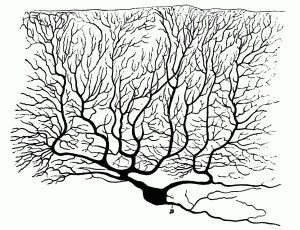
The brain is a complex lattice of interconnected neurons and glial cells that act in unison, relying on electricity and chemistry to convey signals that run our vital systems and comprise our consciousness and thought.

For many years, neuroscientists have looked into the cacophony of signals that makes up the human brain. Such research aided the search for answers, such as where human consciousness lies. Findings drawn from these studies can also yield invaluable insight into the underlying causes of cognitive, behavioral and neurodevelopmental disorders, which in turn can be used to help patients manage or overcome these issues. These also inform both novel and established neurological technologies prioritizing cognitive repair.

Image source: jonlieffmd.com


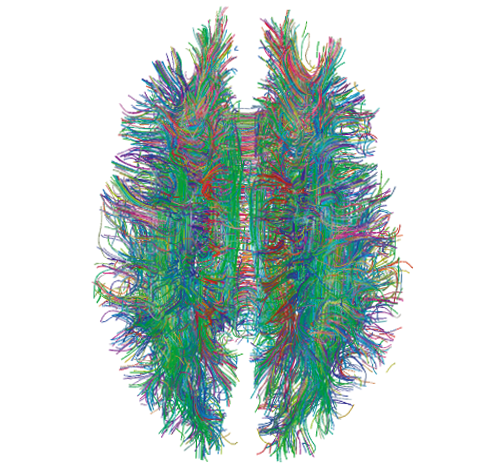
Making sense of the seemingly tangled mess of connections requires mapping the human brain. This is no small task: the human brain contains over 100 billion neurons of several fundamental types. Most of these neural connections cannot be directly detected without the aid of a microscope, but a general if incomplete picture can be made of some of the brain's activity through current imaging techniques.

In addition, what we know of mental connections can also complicate matters greatly. Longer connections cost more energy to maintain, thus the brain frequently relies on several shorter, constantly shifting connections.

Image source: jonlieffmd.com


Moreover, our brains are resilient. Even in the face of trauma, connections can and are rerouted by the brain, bringing with them the potential to rewire the organ or to restore lost or hindered functions. As our understanding of the brain grows, so does the sophistication of cognitive techniques for training these connections, treating neurocognitive disorders, and improving key functions like memory.

Dr. Curtis Cripe's studies in neurofeedback are the groundwork for NTLgroup®'s neuroengineered cognitive repair. For more on his company's work, visit this website.

Wednesday, November 16, 2016

Tapping Into The Potentials Of Brain Connectivity

The brain is a complex lattice of interconnected neurons and glial cells that act in unison, relying on electricity and chemistry to convey signals that run our vital systems and comprise our consciousness and thought.

Image source: jonlieffmd.com

For many years, neuroscientists have looked into the cacophony of signals that makes up the human brain. Such research aided the search for answers, such as where human consciousness lies. Findings drawn from these studies can also yield invaluable insight into the underlying causes of cognitive, behavioral and neurodevelopmental disorders, which in turn can be used to help patients manage or overcome these issues. These also inform both novel and established neurological technologies prioritizing cognitive repair.

Making sense of the seemingly tangled mess of connections requires mapping the human brain. This is no small task: the human brain contains over 100 billion neurons of several fundamental types. Most of these neural connections cannot be directly detected without the aid of a microscope, but a general if incomplete picture can be made of some of the brain's activity through current imaging techniques.

In addition, what we know of mental connections can also complicate matters greatly. Longer connections cost more energy to maintain, thus the brain frequently relies on several shorter, constantly shifting connections.

Moreover, our brains are resilient. Even in the face of trauma, connections can and are rerouted by the brain, bringing with them the potential to rewire the organ or to restore lost or hindered functions. As our understanding of the brain grows, so does the sophistication of cognitive techniques for training these connections, treating neurocognitive disorders, and improving key functions like memory.

Image source: jonlieffmd.com

Dr. Curtis Cripe's studies in neurofeedback are the groundwork for NTLgroup®'s neuroengineered cognitive repair. For more on his company's work, visit this website.