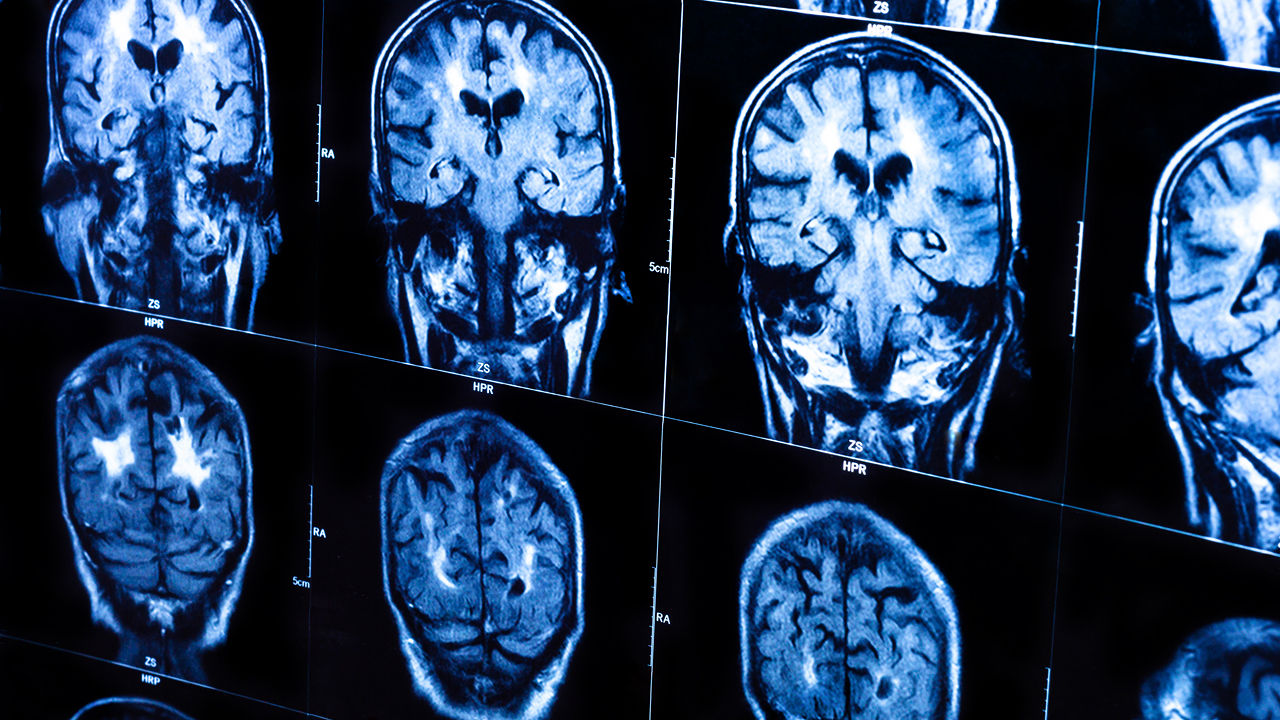
Showing posts with label neuroengineering. Show all posts

Monday, September 10, 2018

The difference between TBIs and concussions

If you’re into sports like basketball, baseball, and football—whether as an athlete or as an enthusiast or follower—you’re probably familiar with the word “concussion,” as it’s often linked to players missing action after, say, a bad fall. They go into what is called a concussion protocol.

Traumatic brain injuries or TBIs, on the other hand, are terms associated with a huge injury mechanism such as a car mishap, a gunshot, or wounds sustained from combat. Also, TBIs are encompassing; the important thing to remember here is that all concussions are TBIs, but not all TBIs are concussions.

To better understand this, it is vital to go back to the term “trauma,” which is a medical term referring to damage in the body due to force, which can be in the form of a hit, a crush, or a cut. For example, a laceration is as much trauma as a sprain or fracture. When the trauma occurs on or in the head, then it can be both a concussion and TBI.

Concussions are a form of closed brain injury and are considered mild as they don’t pose an immediate danger of death. However, they are hard to diagnose and must be duly monitored as they can lead to long-term consequences. Repeated hits to the head, as in boxing or football, can in time cause depression and other psychological dysfunctions.
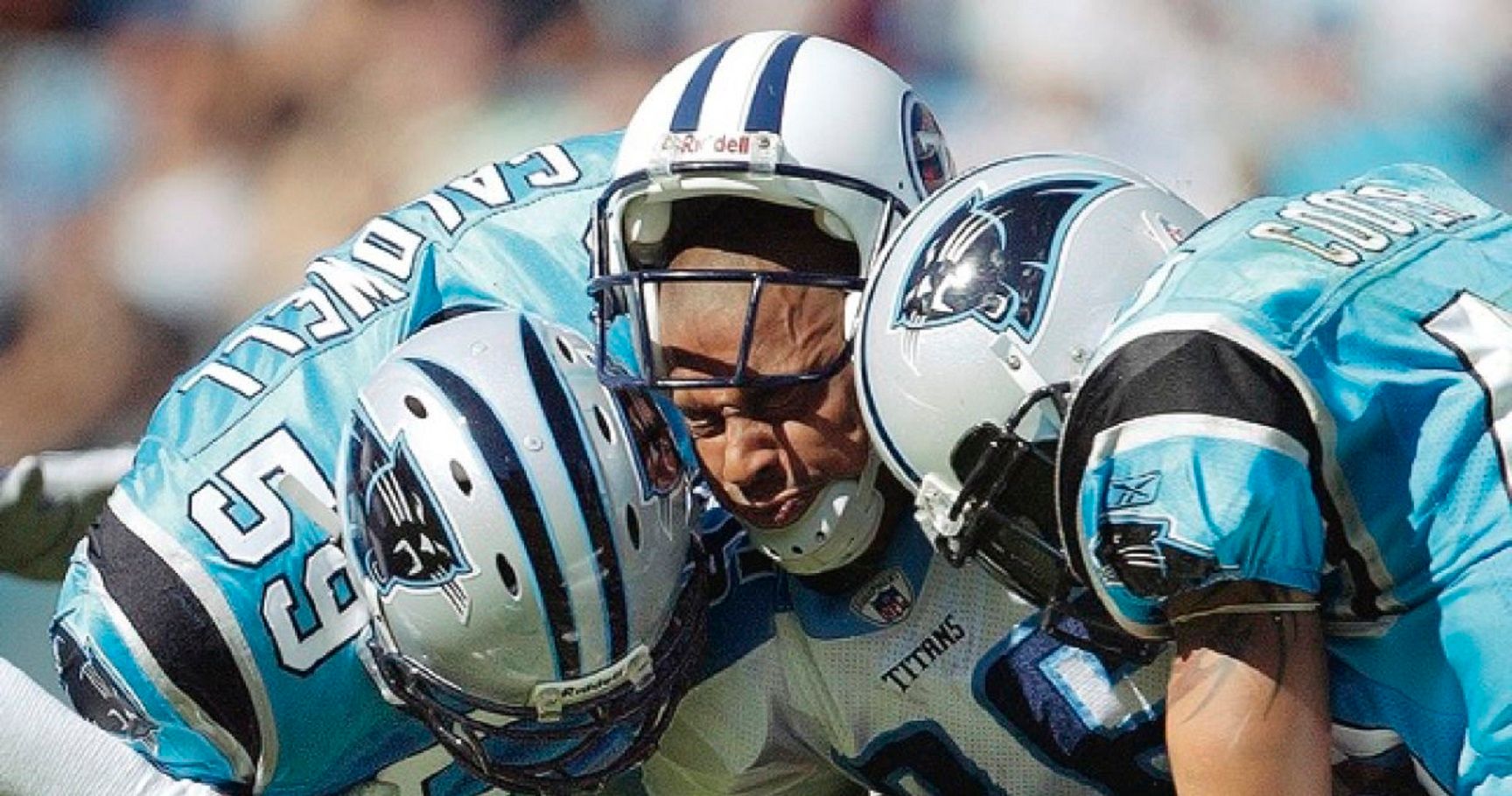
Concussion specialists need not wait for loss of consciousness or amnesia to put affected individuals under concussion protocols. All in all, while an open traumatic brain injury is indeed devastating, closed ones are seen by specialists as equally dangerous.

Dr. Curtis Cripe is the head of research and development at the NTL Group, which specializes in neuroengineering programs aimed at the diagnosis and treatment of neurological disorders connected to head injury, depression, anxiety, memory disorders, and learning disorders. More information on Dr. Cripe’s current projects here.

Wednesday, October 12, 2016

Augmenting Cognitive Neurodevelopmental Training With a Lens Unit

LENS (Low Energy Neurofeedback System) is a form of brainwave biofeedback that was developed in the early ‘90s by Northern California psychologist Len Ochs.  The system was an alternative to medications that were used to treat brain-based problems.  It was also used to supplement psychotherapy.

Image source: source-connection.ch

Prior to the creation of LENS, traditional neurofeedback needed the participant to actively attempt to understand the feedback shown to him and try to regulate his own brainwaves.  But with the groundbreaking neurofeedback system in its stead, the participant will only need to sit comfortably in front of the equipment consisting of a computer with installed LENS software and an electroencephalogram (EEG) box.

Image source: dailyburn.com

Electrodes with conductive paste are attached to the scalp to measure brainwave activity and deliver treatment at the same time.  What results is a more efficient – in terms of both time and money – and painless procedure for treating brain-based problems.

LENS has been effective as an adjunct to cognitive neurodevelopmental training, as evidenced by a study by Dr. Curtis Cripe.  Patients with autism spectrum disorder, attention deficit disorder, oppositional defiant disorder, and mild head injuries were treated with specific procedures that were augmented with a LENS unit.

The study illustrated that LENS training, due to its facilitative effects, enabled the patients to engage actively in neurocognitive and neuro-rehabilitation exercises, which accelerated their progress, reduced treatment time, and allowed them to regain normal functioning of the brain systems.
 
Neuroengineer Curtis Cripe, Ph.D., boasts of a diverse multidisciplinary professional and academic background, having worked in different industries, including aerospace, engineering, software development, bioengineering, addiction recovery, psychophysiology, psychology, and child neurodevelopment.  For more on his career, visit this LinkedIn profile.

Friday, August 19, 2016

Complete Brain Function Analysis With Neurocodex®

"Knowing is half the battle,” is a statement made popular by G.I. Joe. The first step in solving a problem is understanding its nature. This is also true in treating brain processing issues and dysfunctions.

http://media.worldbulletin.net/250x190/2011/11/08/brain-scan.jpg
Image source: worldbulletin.net

A complete cognitive development and rehabilitation program can address dysfunctions. But before doing so, it is best to understand the specific neurodevelopment or neurofunction deficits through a complete cognitive function analysis system called NeuroCodeX®, a proprietary program of NTLgroup®.

NeuroCodeX® integrates traditional neuropsychological measures into modern methods of measuring the participant’s neuro-electric brainwave activities, mental capabilities, brain development, cognitive function performance, and brain system connections. These assessments are compared to age-appropriate and peer-determined normalized databases.

Evidence-based instruments and tools are used in the analysis, as well as the latest neuro-imaging techniques.

This holistic, integrated approach assesses more than 300 dimensions of brain activities, which include intellectual, emotional, attention, and concentration abilities, and the regulation and speed of the brain processes.

Analysis is not limited to the individual’s personality and skill levels. Also taken into consideration are the effects of the environment and social interaction on the participant’s cognitive functions.

http://b.fastcompany.net/multisite_files/coexist/imagecache/1280/poster/2012/09/1680579-poster-1280-what-is-this-app-doing-to-my-kids-brain.jpg
Image source: fastcoexist.com

By taking such an exhaustive “snapshot,” the brain issues can be solved at the root. It provides a way to identify the underlying causes of dysfunction, and target them with a personalized treatment program.

Neuroengineer Curtis Cripe uses his diverse multidisciplinary professional and academic background in heading the research and development initiatives of NTLgroup®. The company uses neuroengineering technology and programs to repair brain dysfunctions suffered by adults and children alike. Learn more by visiting this website.