Tuesday, July 4, 2017

What a Child With Nonverbal Learning Disorder Goes Through

Image source: brainscape.com
If a child has difficulty with trying to make sense or understanding or interpreting nonverbal cues such as body language or even facial expressions, there’s a chance that they have nonverbal learning disorder or NVD. Children with this disorder may also exhibit poor coordination. NVD usually manifests itself through a high discrepancy between strong verbal skills and weak motor/visual-spatial/social skills.

Aside from difficulty with nonverbal cues, children with NVD are also clumsy, as they bump into people and objects quite often. They have a hard time tying shoes, writing, or doing anything related to fine motor function. They also cannot interpret certain things that happen without proper labels. Children with NVD also have problems coping with routine changes and following instruction with over a single step. As far as translations to nonverbal cues go, they are very literal.

Image source: zmescience.com
Therapists often recommend constant rehearsal for children with NVD to help them move more easily. It’s also more prudent that children with NVD be given more verbal cues than normal, as well as more in-depth and repetitive instructions. And since they tend to ask more questions than other children, it is important that adults or anyone handling children with NVD answer their questions as often as possible.

Dr. Curtis Cripe’s work is one the foundations of the NTL Group's neuroengineering technologies for treating neurodevelopmental delays such as learning disorders. Visit this website for more about Dr. Cripe and his work.


Monday, June 12, 2017

Dyslexia: A Common Learning Disorder

There are times when people with dyslexia don’t even know they have the reading disorder. Like many learning disabilities, dyslexia is a confusing disorder which affects people of normal intelligence. Dyslexic people have difficulty with spelling, writing, and pronouncing sometimes even the simplest words, and reading and understanding basic text. Many of the people afflicted with this disorder notice it first in school, and it greatly affects their learning progress.

Image Source: assessmychild.com.au
People believe that dyslexia is caused by genetic and environmental factors. Oftentimes, dyslexia arises when one has attention deficit hyperactivity disorder, or ADHD. And the disorder also extends beyond letters and words, into the realm of numbers.  Sometimes, dyslexia could manifest later in life, into adulthood, when one experiences traumatic brain injury.  

The diagnosis of dyslexia depends on the results of numerous tests on memory, vision, spelling, and reading, which are all needed to rule out other factors of learning difficulties.

As for the treatment, the main course of action is to adjust and personalize methods of teaching. Though it has to be noted that doing this isn’t a cure, but rather a way to alleviate symptoms. It is also important to note that it is not a vision problem. Curing vision problems doesn’t cure dyslexia.  
Image Source: go.learningally.org
 Dr. Curtis Cripe's work has been instrumental in the development of the treatment programs used by NTLgroup®, which specializes in the rehabilitation of neurological functions and treatment of neurocognitive disabilities.  For more information about Dr. Cripe and the work he does, visit his company's official website.

Thursday, May 11, 2017

Busting a Few Persistent Misconceptions About The Brain

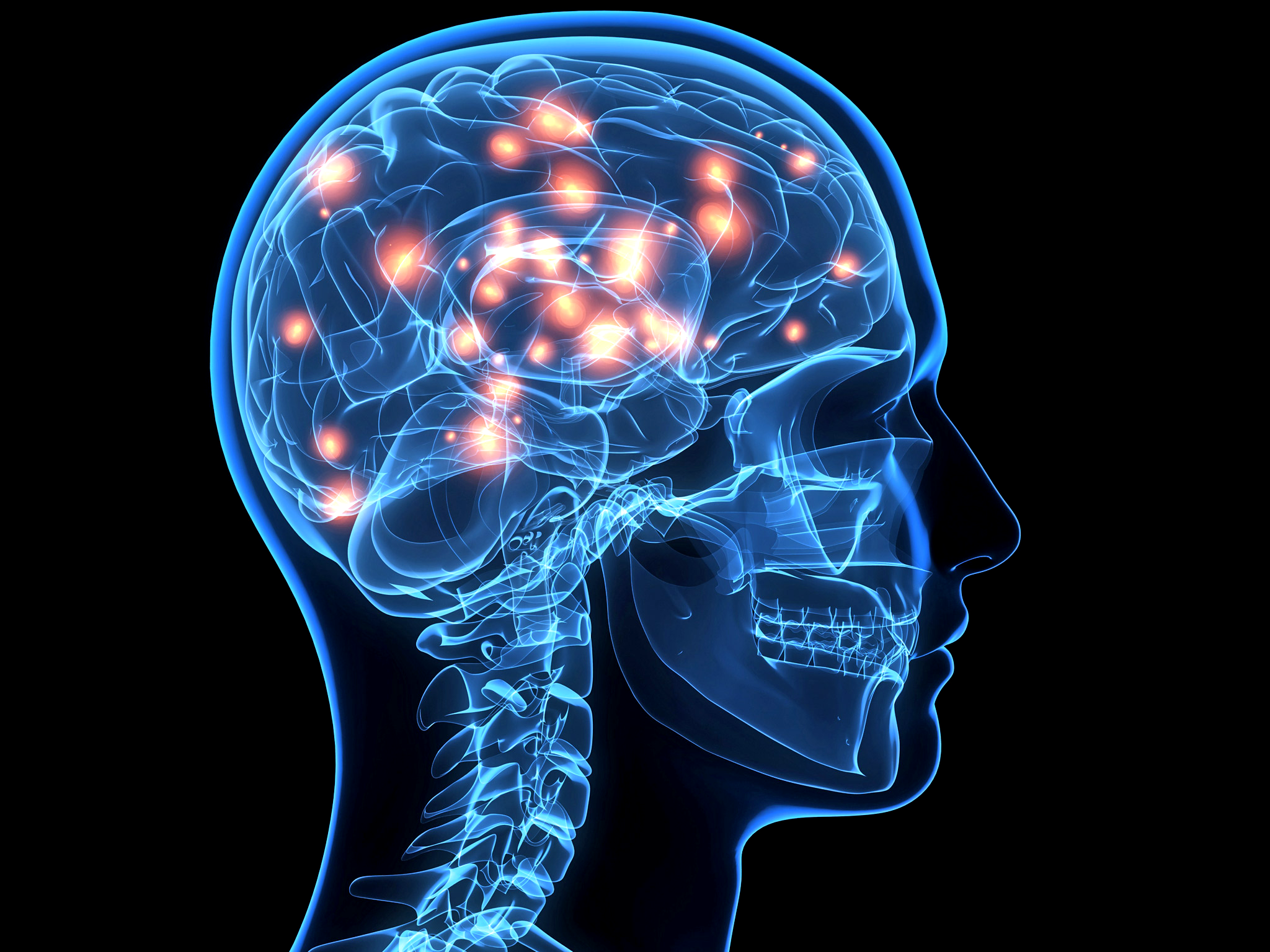
The brain is a complex and dynamic organ.  Because much of it had been (and still is) poorly understood, many myths shared as fact by laypersons have sprung.

Image source: independent.co.uk
One of the most persistent myths about the human brain is that its component cells, the neurons, do not divide.People are born with all the brain cells they would even have in their lifetimes.The same was thought to be true for neurons present in nerves, with the exception being the olfactory neurons in the nose.


Today, however, it is now known that not only does neurogenesis take place in key regions of the brain but also that the brain’s ability to produce new neurons is intrinsically linked to mental stimulation and engagement.


Indeed, neurogenesis, together with mental plasticity, plays a key role in maintaining the resilience of the brain.  Mental stimulation in the limbic system, which includes such disparate mentally engaging activities such as video games and sports, encourages the continued production of cells, while constant activity and engagement stimulates the creation of newer, denser, and stronger connections among neurons.


However dynamic the brain is, it would not necessarily show in its convolutions, contrary to a widely-held belief that one gets new wrinkles as the brain develops.The brain receives all its wrinkles throughout fetal development. This is not the only myth surrounding the brain’s appearance; merely being bigger does not mean that a brain would be more intelligent.


Image source: whatthefaculty.com

Finally, the most persistent of these myths is the notion that all brain damage is irreversible.  Thanks to its natural resilience, it is possible with some effort and guidance to repair damaged connections, eventually restoring impaired and even lost functions within the brain.


Dr. Curtis Cripe’s work in neuroengineering and brain plasticity lies at the heart of the NTL Group’s programs for cognitive repair. Learn more of its applications from this website.

Monday, April 10, 2017

How Brain Injuries Should Be Handled

Brain injuries happen when the brain itself experiences trauma or a brain-damaging illness. People with brain injuries are affected in all sorts of ways. The event can have a devastating effect on how they move, feel, think, or function. Over five million people in the country are trying to cope with some sort of brain injury.

Image source: pivotphysicaltherapy.com
People can sustain brain injuries in a variety of ways. The type of brain injury—-whether or not it is classified as traumatic—- is determined by the circumstances. Situations that can cause traumatic brain injuries can range from car crashes to slips or falls, from sports accidents to violent attacks from other people, from wartime experiences such as bomb blasts to repeated concussions in a full contact sport.

As for non-traumatic brain injuries, a simple lack of oxygen will be enough to damage the brain. Other causes include tumors and infections. Although the most common non-traumatic brain injury is stroke.

Image source: elyreed.com
When a person suffers a brain injury, his or her loved ones should be prepared for the symptoms, which can include headaches, poor vision, inability to communicate, insomnia, and more serious problems like seizures and gradual decline of motor skills. People taking care of loved ones who’ve suffered brain injuries should above all understand that the injury changes them.

NTL Group specializes in neuroengineering programs diagnosing and treating neurological disorders connected to head injuries, among other physical problems. Curtis Cripe, Ph.D. is the head of the research and development team. For more on Dr. Cripe and the NTL Group, check out this website.

Tuesday, February 28, 2017

The Widely Believed Causes Of ADD/ADHD

Attention deficit disorder or attention deficit hyperactivity disorder (ADD/ADHD) has varying causes that medical experts have not yet scientifically isolated. There is no medical exam or blood test that can diagnose the causes of these disorders – scientific behavioral assessments, neuro-imaging techniques, and cognitive abilities evaluation, however, aid in the diagnosis of ADD or ADHD.

Image source: homeschoolingalmanac.com
ADD/ADHD is commonly attributed to is genes. Studies show that if a parent has ADD/ADHD, the likelihood that the child will have it, too, is 50 percent. Furthermore, an individual who suffers from ADD/ADHD is four times as likely to have had a relative with the same issue.

Image source: totallymeditation.com
Currently, various researches on different genes are ongoing. These notably involve the brain chemical dopamine, which is responsible for the transmission of signals between nerves in the brain, and imbalances in the fatty acids, which are important for brain development and function.

Pregnancy complications are also seen as potential causes of ADD/ADHD. Children who were born under difficult circumstances, for instance, premature birth and low birth weight, have a higher risk of having ADD/ADHD. Exposure to toxins caused by cigarette smoke, alcohol, drugs, lead, PCBs, or pesticides during pregnancy could also hinder the baby’s brain development.

Curtis Cripe, Ph.D. is the director of research and development of NTL Group, a neuroengineering services provider specializing in technology that diagnoses and repairs brain dysfunction, including neurodevelopmental delays in children with learning disorders. Visit this website for more information about the company.

Wednesday, February 15, 2017

Treating Auditory Processing Disorder/Deficit

Over the past years, more and more people are becoming aware of auditory processing disorder/deficit (APD), which is also known as central auditory processing disorder (CAPD). The disorder causes difficulty in recognizing the subtle differences between sounds in words. Due to this, those who suffer from it find it hard to process what other people are saying.

Image source: kars4kids.org
A common misconception is that APD is similar to hearing impairment or attention deficit disorder, which is far from the truth. Most children with APD pass hearing tests, having normal hearing abilities. What is affected is how the central nervous system processes the sounds they hear, leading to struggling to understand speech in a noisy environment, obeying directions, and distinguishing sounds that seem similar. While it is different from hearing impairment or other cognitive dysfunctions, APD still affects speech and language development, learning, comprehension, spelling, and reading.

An effective way of treating APD is the use of an auditory program that first identifies the specific cause of the issue and assesses the patient before creating a personalized solution. Several factors are taken into consideration, such as the neurodevelopment of short-term memory, the auditory cortex, the language centers, ability to recognize words and speech, and learned listening personality traits. After which, exercises, activities, and processes are applied to reduce or eliminate neuro-inhibitors in feedback pathways. These tools also develop the brain so it could recognize auditory frequencies, which leads to better processing of sound signals.

Image source: hiveminer.com
Experienced neuroengineer Dr. Curtis Cripe heads the research and development department of NTL Group, which specializes in diagnosing and treating brain-based dysfunctions. Read more about neuroengineering by connecting with this Google+ page.

Thursday, December 15, 2016

Tapping Into The Potentials Of Brain Connectivity

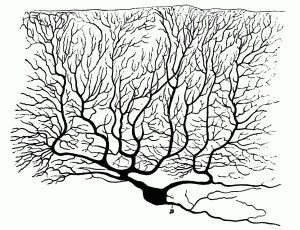
The brain is a complex lattice of interconnected neurons and glial cells that act in unison, relying on electricity and chemistry to convey signals that run our vital systems and comprise our consciousness and thought.

For many years, neuroscientists have looked into the cacophony of signals that makes up the human brain. Such research aided the search for answers, such as where human consciousness lies. Findings drawn from these studies can also yield invaluable insight into the underlying causes of cognitive, behavioral and neurodevelopmental disorders, which in turn can be used to help patients manage or overcome these issues. These also inform both novel and established neurological technologies prioritizing cognitive repair.

Image source: jonlieffmd.com


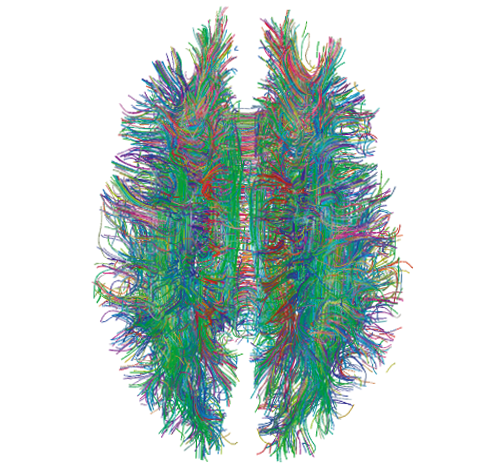
Making sense of the seemingly tangled mess of connections requires mapping the human brain. This is no small task: the human brain contains over 100 billion neurons of several fundamental types. Most of these neural connections cannot be directly detected without the aid of a microscope, but a general if incomplete picture can be made of some of the brain's activity through current imaging techniques.

In addition, what we know of mental connections can also complicate matters greatly. Longer connections cost more energy to maintain, thus the brain frequently relies on several shorter, constantly shifting connections.

Image source: jonlieffmd.com


Moreover, our brains are resilient. Even in the face of trauma, connections can and are rerouted by the brain, bringing with them the potential to rewire the organ or to restore lost or hindered functions. As our understanding of the brain grows, so does the sophistication of cognitive techniques for training these connections, treating neurocognitive disorders, and improving key functions like memory.

Dr. Curtis Cripe's studies in neurofeedback are the groundwork for NTLgroup®'s neuroengineered cognitive repair. For more on his company's work, visit this website.