Tuesday, November 24, 2020

Memory problems – When should you be alarmed?

Image source: indiatimes.com

Memory loss stands to be one of the most common issues in mental health today, and it raises a lot of questions in people's minds. According to Dr. Curtis Cripe, many individuals find themselves struggling with their memory, but when is it a simple case of forgetfulness, and when does it become something more serious? He shares his thoughts on this in today's blog.

In everyday life experiences, people have had moments when their memory has failed them one time or another. Some may have forgotten a person's name. Others may have even had an episode or two of not remembering where they put their keys or something closely associated with them, like a pair of spectacles. Some folks may have even experienced forgetting to lock the front door.

Dr. Curtis Cripe shares here some scenarios that should give you a cause for concern.

One example of a red flag is when you forget the names of people you are relatively familiar with. Perhaps it's somewhat normal to forget the name of an acquaintance from the past. It may be acceptable even to forget your neighbor's name if you don't go any further than the casual "hi and hello," which doesn't even happen every day. If you forget the name of your best friend, your favorite cousin, or even an immediate family member, there is definitely a problem.

Image source: health.harvard.edu


Another sign of an issue is when you start forgetting common patterns of action that you are supposed to know, otherwise known as schemas. If you can't remember how to drive a car all of a sudden, or if you are typically immersed in work, and you suddenly don't know how to operate your own computer, you need to be brought to a specialist right away.

Finally, you know you have a memory issue when you suddenly don't remember how to reach places which are supposed to be familiar to you, says Dr. Curtis Cripe. You might get lost in a place that has seen many urban developments since the last time you were there a couple of years back. However, the issue gets more serious if you forget how to go back to your own home, especially if you've been doing this routinely for many consecutive days prior.

Curtis Cripe, Ph.D., comes from a multidisciplinary academic and professional background that spans several disciplines, which include bioengineering, addiction recovery, psychophysiology, behavioral medicine, brain injury, and child neurodevelopment. Today, he is the director of research and development at the NTL Group. For similar reads, visit this page.

Thursday, October 29, 2020

Anxiety disorders explained

Image source: verywellmind.com

Anxiety has deprived so many people of the freedom that they deserve. If peace of mind were an indication of wealth, anxiety would place one in a state of poverty. Dr. Curtis Cripe of NTL Group explains this further in today's blog.

Before anything else, a clear understanding of anxiety as a disorder must be established. Often, people loosely use the term "anxiety" to describe normal feelings of anxiousness or nervousness. In the clinical sense, anxiety disorders involve far more complex feelings and involve excessive fear or anxiety. Anxiety disorders are behavior-changing, and in some extremes, life-altering in a negative way.

Anxiety disorders can affect people to the extent that they try to avoid situations that trigger or make their symptoms worse. The life of a person with an anxiety disorder can really be difficult, shares Dr. Curtis Cripe. It affects job performance, schoolwork, and personal relationships.

As a rule of thumb, for someone to be diagnosed with an anxiety disorder, the fear or anxiety must be characterized by a couple of things. The first is that it is out of proportion to the situation that causes fear. Secondly, it hinders the person from being able to function normally. If these two conditions are not satisfied, the fear is likely a normal one and not an indication of a clinical disorder.

Image source: besthealthmag.ca


There are various kinds of anxiety disorders. Among the most popular ones would be a panic disorder, social anxiety disorder, and separation anxiety disorder. These are all treatable, thanks to the expertise of professionals like Dr. Curtis Cripe. One thing to note about anxiety disorders is that many people who have it do not seek help, largely because they do not realize that they already have an illness. For this reason, checking on your friends and loved ones from time to time would be a huge help.

Curtis Cripe, Ph.D., is the head of research and development at the NTL Group, which specializes in the creation of neuroengineering programs aimed at the diagnosis and treatment of neurological disorders associated with head injury (TBI), depression, anxiety, memory disorders, and neurodevelopmental delays in children with learning disorders. For more related reading, visit this page.

Monday, September 28, 2020

How Elon Musk's Neuralink works

Image source: businessinsider.com

Medical circles, especially ones involved in neurological research, buzzed to life at the news of Elon Musk, unveiling his company Neuralink's progress at brain chip implant research. Although most of the concepts in the demonstration that Elon and his team held through a live stream offered no new insights for neurologists, it generated interest in this field of study.

But how is Elon Musk's "Link" supposed to work? What benefits does it promise?

Like what is depicted in science fiction, a machine will implant the "Link" onto someone's brain. Neuralink developed a machine that grafts such a chip and sews fine microwires onto the brain of test animals, which are pigs for the latest demo. The microwires will receive the signals emitted from inside the brain, and the corresponding chip will interpret these messages and execute programs based on this data, notes neuroengineering expert Dr. Curtis Cripe,

During the demonstration, viewers heard a chime come from a pig that Elon says is the auditory representation of neurons firing in the subject's gray matter. Elon hopes the technology will allow humans to solve neurological problems like paralysis, blindness, and depression.

Image source: spectrum.ieee.org


Ultimately, Elon hopes researchers can advance the design of the chip, the size of a small coin, to the point that it can hold up to more than 10,000 microwire connections with the brain. He also hopes that a doctor can install the chip in their office in less than an hour someday. Ultimately, Elon says brain implants like the Link can aid humans to work with AI and not just be relegated as an inferior species by machine intelligence.

Many experts believe it will take decades of work before Neuralink becomes viable for widespread adoption. The current iteration foists many design problems like how microwires might survive more than a decade in the brain's liquid environment or how to make implantation surgeries safe.

Neuralink may not have delivered on the science fantasy fulfillment it promised, but experts like Dr. Curtis Cripe hope this development will lead to more investments in brain research.

Dr. Curtis Cripe serves as the research and development head at the NTL Group, which uses neuroengineering technology to repair brain dysfunction. The NTL group aims to treat addiction, head injury (TBI), depression, anxiety, memory disorders, and neurodevelopmental delays in children with learning disorders through their research. Find out more about Dr. Cripe on this page.

Friday, August 28, 2020

How people who work from home can keep their minds at ease

Image source: finance.yahoo.com

Dr. Curtis Cripe of NTL Group continues to share information in his series of blogs to help people get through the current COVID-19 pandemic.

Ever since the global health crisis came into full swing sometime around March this year, over 30% of all employees in the U.S. were forced to take on work-from-home setups. In a lot of states, people have been ordered to isolate and quarantine themselves – for their own safety.

Now, nearly six months later, the U.S., as well as the rest of the world is still trying to cope with the pandemic, savoring every little victory they can. However, six months is a long time, especially for people who are not used to staying at home for most of the day. Some people may experience a bit of restlessness where their minds are concerned.

Below, Dr. Curtis Cripe lists a few ways people can keep their minds at ease.

Image source: thriveglobal.com

1. Workers, even at home, should try to communicate with family, friends, or even colleagues on a personal level. Simple conversations allow them to let out what’s in their minds, and this could be of great help.

2. Workers should try creating new daily routines or revamping their old ones. The pandemic has forced everyone to adjust, and having a daily routine is another way of keeping one’s mind at ease.

3. Workers should take as many breaks as possible – without neglecting their work, of course. Watching a Netflix movie or playing video games does wonder for the mind, Dr. Curtis Cripe adds.

Curtis Cripe, Ph.D., heads research and development at the NTL Group, which works with neuroengineering technology to treat addiction, head injury (TBI), depression, anxiety, memory disorders, and neurodevelopmental delays in children with learning disorders. Visit this blog for related posts.

Wednesday, July 29, 2020

Development and beyond: Helping children face the pandemic

Image source: Pexels.com

Dr. Curtis Cripe and NTL Group have done considerable work with children with developmental issues and have helped countless families in the process. However, Dr. Cripe admits that today, because of the global health crisis, families face an entirely new challenge.

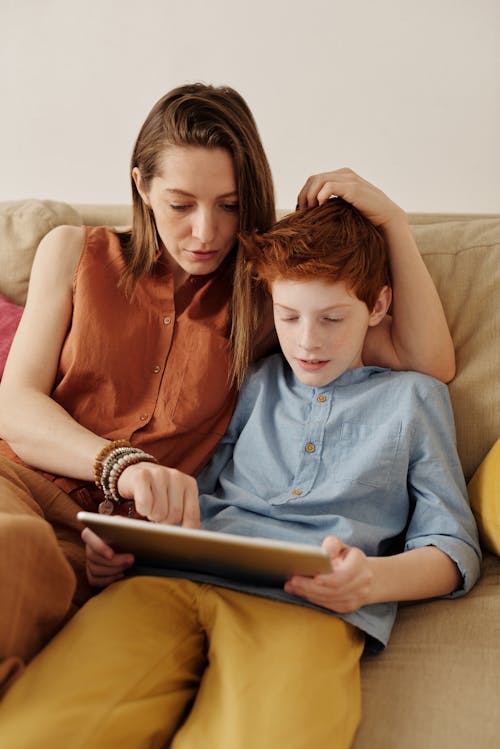
For today’s blog, Dr. Curtis Cripe provides an important public service. He shares a few ways in which parents can help their children both mentally and emotionally by expanding their understanding of the coronavirus pandemic and the situation everyone is in.

Parents should explain that everyone is having a hard time as well.

When children know that everyone else can’t go to places like the mall or playgrounds or fast food joints, they’ll begin to understand the gravity of the situation. Acknowledging that these are challenging times should be one of the first things parents should do. But along with this, parents should also reassure their children that the pandemic will pass and that the world will be safe again. Also, telling kids that they can help keep people safe by staying home will give children a sense of purpose.

Image source: Pixabay.com

Parents should keep children busy by establishing a routine at home.

Much like in adults, keeping children’s minds and bodies active is an excellent way of lowering their stress levels, Dr. Curtis Cripe explains. When children have nothing to do, feelings of boredom or anxiety can creep in. A good balance of study and playtime will be more than effective. It is also highly recommended that parents join in on the activities of their children, such as doing chores or role-playing.

Curtis Cripe, Ph.D. heads research and development at the NTL Group, which employs neuroengineering technology that repairs brain dysfunction to treat a myriad of diseases and disorders. For more articles on cognitive health, visit this blog.

Tuesday, June 30, 2020

Telemedicine: Why we need it right now

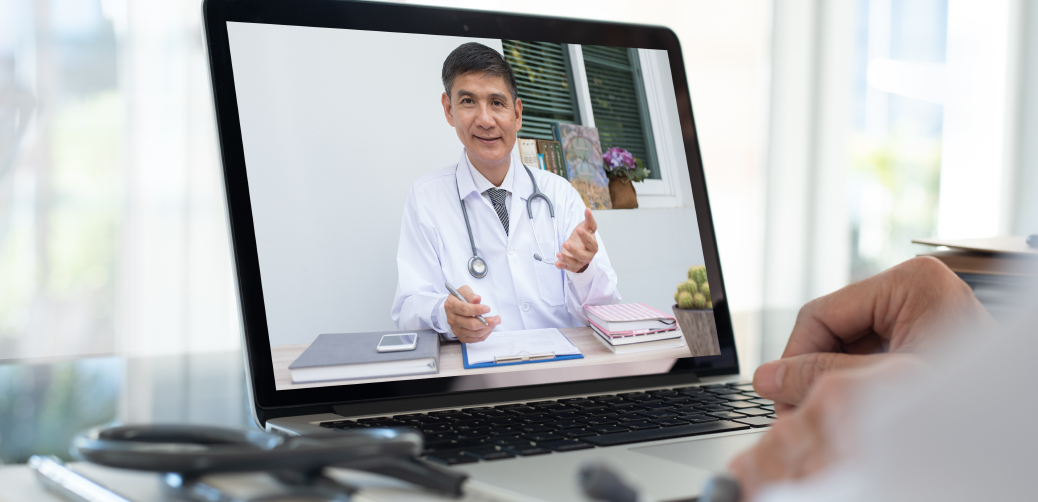
Telemedicine isn’t something new in the healthcare industry. Physicians have been using it to communicate with patients from a different state or even country. It’s been used by surgeons to guide other surgeons through delicate procedures, and it has been used to disseminate information through online lectures. But, according to Curtis Cripe, telemedicine is exactly what healthcare institutions need right now as they combat COVID-19.
Image source: blog.cureatr.com

Image source: globalhealthnewswire.com


Telemedicine gives doctors the ability to communicate, diagnose, and treat multiple patients without having to step out of their office or home. This allows physicians to talk to COVID-19 patients who are under strict quarantine. The technology also allows doctors to see patients who have other illnesses. Telemedicine allows doctors to diagnose patients from their home, which helps prevent healthcare institutions from being overwhelmed since most of them are already operating at full capacity because of the pandemic.

Another reason why telemedicine is desperately needed by healthcare institutions is because it can safely bridge the gap between patients and their physicians. With almost 300 healthcare practitioners dying of COVID-19, their safety should be of top priority. And, according to Curtis Cripe, telemedicine can allow doctors to safely communicate and treat patients who are positive for COVID-19 without risking themselves.

Dr. Curtis Cripe is the head of research and development at the NTL Group, which specializes in the development of brain-based technology for healing and repairing neurological dysfunctions. Dr. Curtis Cripe was asked to participate in a White House - NASA committee for TeleHealth/TeleMedicine during the COVID-19. His committee has been asked to spear head long term and on-going TeleHealth and TeleMedicine protocols and procedures that can be followed during the current and future Pandemics as well as TeleMedicine and TeleHealth even after the COVID-19 diminishes. Visit thiswebsitefor more reads on healthcare.

Friday, May 29, 2020

Coping with anxiety amid a pandemic

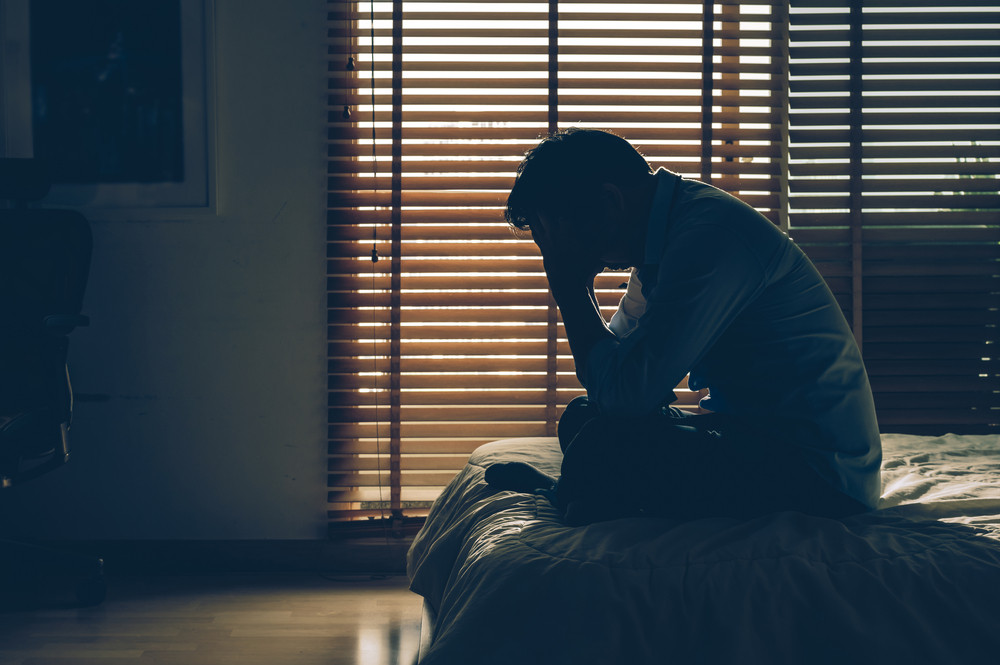
It’s difficult not to have anxiety amid this outbreak of Covid-19. People are stuck in their houses, news of the pandemic is an avalanche of worsening stories, and there is very little one can do to help. People can become unmotivated, they fall into a rut which can affect their capacity to work from home, and things can get worse, especially for people who already have mental health illnesses. Neuroengineering expert Curtis Cripe believes that it is normal for people to feel some form of anxiety during this pandemic.
Image source: thejakartapost.com

Image source: heart.org

Because of the pandemic, it might be difficult to see an expert who can help you deal with your anxiety. In order to cope with it in this odd situation, you must first identify the symptoms in order to manage them. For example, there are a lot of people who feel anxiety over the fact that they are surrounded with uncertainties right now. Uncertainties about their health, their financial well-being, the safety of their family and loved ones, and so on. If you are feeling this, what you can do is focus more on things that are under your control. This includes following social distancing rules, eating healthy, exercising, and accepting the fact that worrying about things you cannot change will only make things worse.

Anxiety can affect people in different ways during this pandemic. For us to combat this, we must fight it symptom by symptom. If you feel isolated, go out for a walk. If you feel depressed, talk to a loved one or a friend about your situation. Curtis Cripe claims that everyone is fighting their own battles with anxiety. Perhaps in helping others, we can find the solution to our own anxieties.

Dr. Curtis Cripe was recently asked to participate in a White House-NASA committee for TeleHealth/TeleMedicine during the COVID-19 outbreak. The committee has been asked to spearhead long-term and on-going TeleHealth and TeleMedicine protocols and procedures that can be followed during the current and future Pandemics as well as TeleMedicine and TeleHealth even after the COVID-19 diminishes. The committee proposals have been accepted and is now moving forward Internationally with UN participation. For more reads on mental health, visit thiswebsite.